Gustav Turf

Linen / Wool
New Arrival
$95.00
5 8 ratings Read the reviews →
  • Jubilee series: made for the hundredth anniversary of the Sterkowski brand, with the utmost attention to detail.
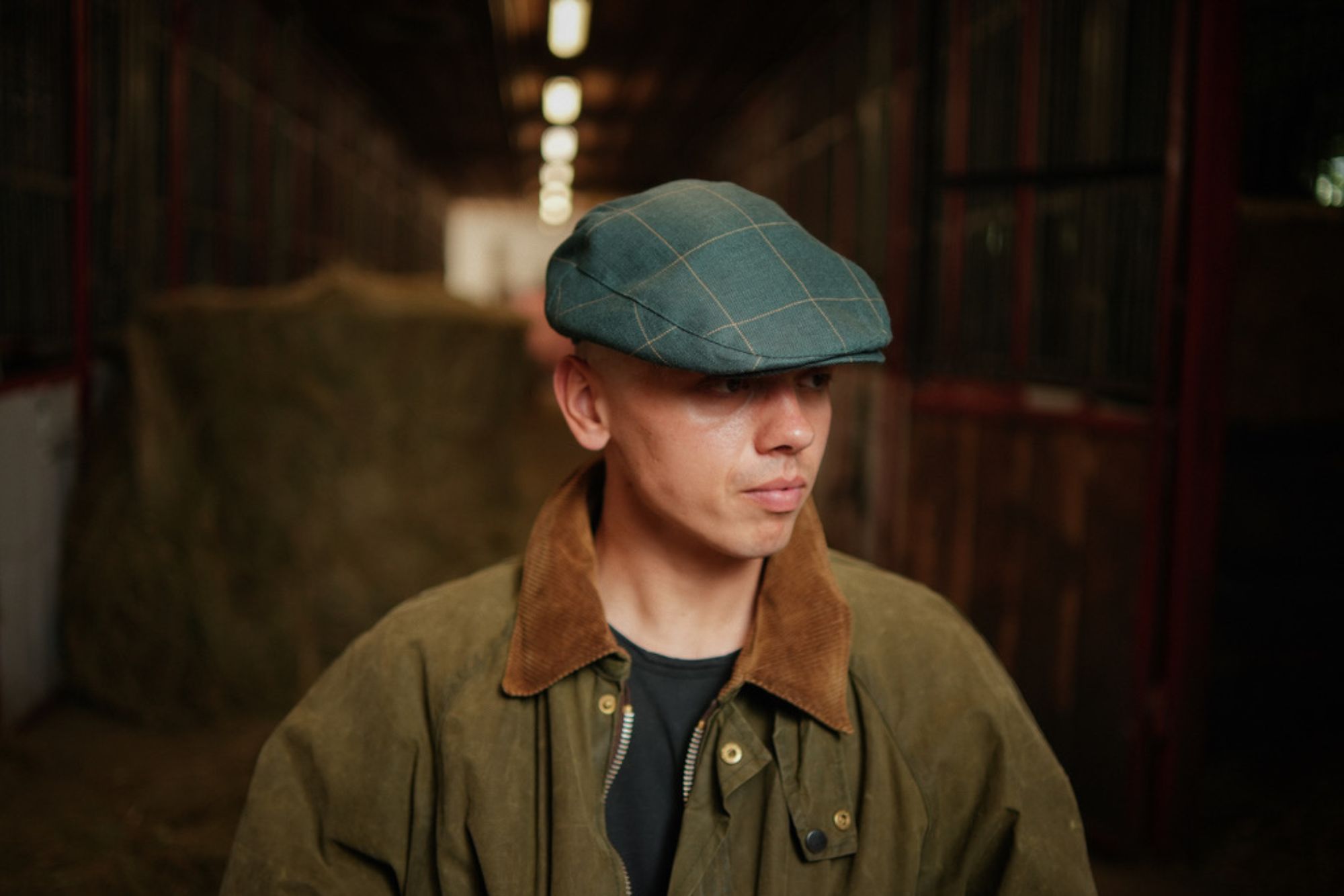
  • Classic English flat cap cut: a streamlined silhouette sitting low on the head, with the peak fastened to the crown by a decorative snap. The peak and the tip of the crown are reinforced with a shape-memory material.
  • Material: from the legendary Abraham Moon spinning mill, combining wool with linen.
  • Jubilee pin: underscores the history contained in the cap.
  • Fit: a full range of precisely graded sizes, for every head shape.
  • Details: a printed cotton lining with a motif reaching back to the history of a hundred years ago.
  • Polish craftsmanship: 100 years of experience in sewing the finest-quality headwear.
Color:

Size:

Fast shipping Ships from EU

In stock, ready to ship

Służew Racecourse

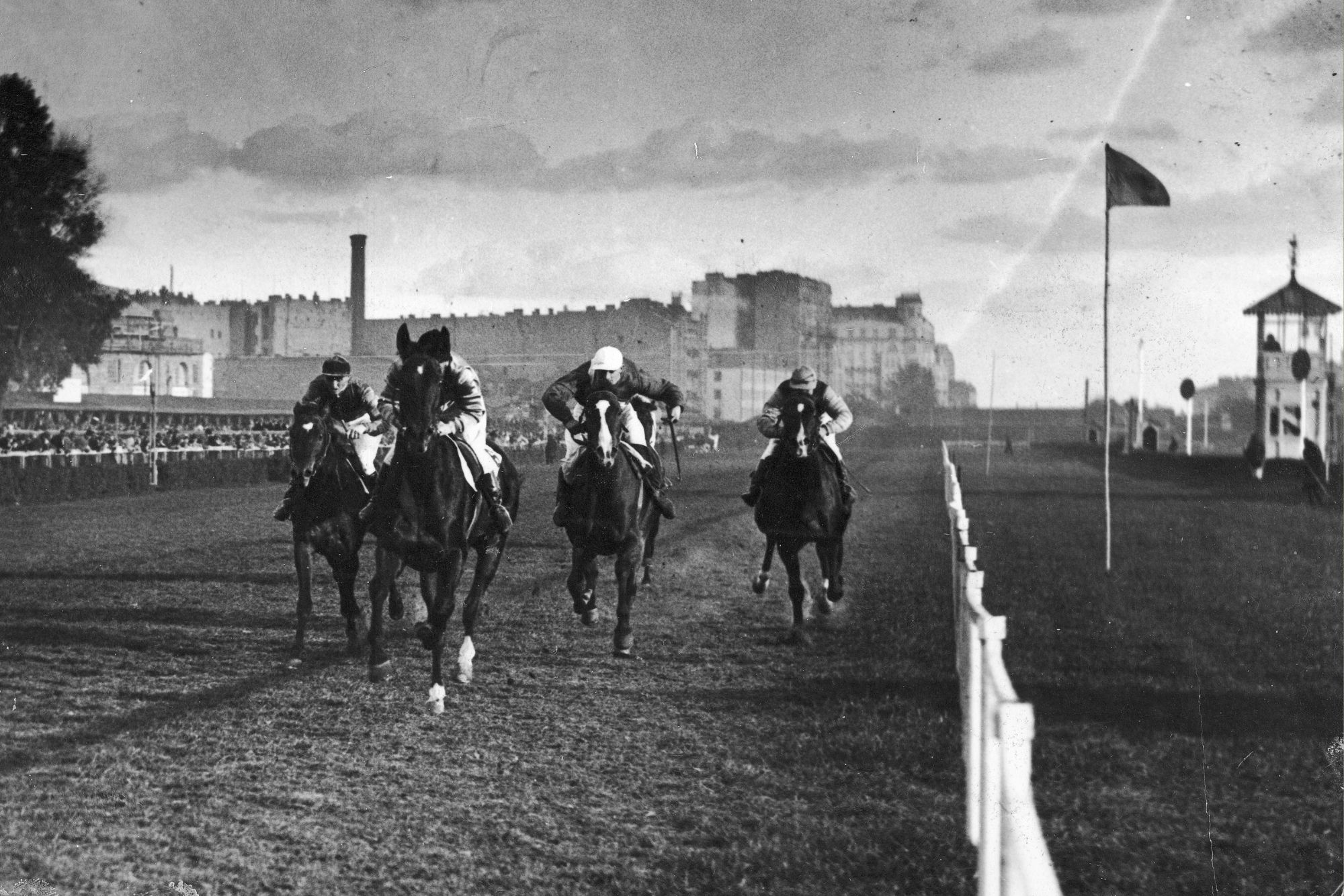
It all begins with a photograph from 1926, hidden inside the lining of this cap. It captures a horse race at Warsaw's Pole Mokotowskie, where today you will find a public park. Back then, horses thundered across the track while the city's elegantly dressed residents arrived in horse-drawn carriages, wearing their finest hats to place their bets and be seen in the grandstands.

Horse racing had been held there since 1841 and, for nearly a century, it remained one of Warsaw's most important social traditions. By the late 1920s, however, the city was expanding rapidly. Mokotów was filling with new developments, while the growing Okęcie Airport claimed more and more land. There was simply no longer enough room for the racecourse in the heart of the city.

This is where the story of today's Służew Racecourse truly begins. In 1926, the Society for the Encouragement of Horse Breeding acquired around 150 hectares of land in Służew, laying the foundations for a new, modern home of Polish horse racing. The first race would not take place there for another thirteen years, but 1926, and the photograph hidden inside this cap, mark the moment when one chapter in Warsaw's racing history began to give way to the next.

A New Addition to Our Stable

This is the classic English flat cap in its snapbill version, a low-profile design with roots in the British countryside and the traditions of horse racing. Its streamlined silhouette sits close to the head, while the crown gently slopes toward the short, reinforced brim, creating the compact, distinctive profile that defines the English flat cap.

The snap fastening that connects the crown to the brim is far more than a decorative detail. Left undone, it gives the cap a softer, more relaxed appearance. Fastened, it pulls the front of the crown neatly toward the brim, creating a sharper and more structured silhouette. One small snap, two distinct personalities.

Abraham Moon & Sons

The fabric for this cap was woven by Abraham Moon & Sons, one of Britain's most respected woollen mills. Founded in 1837 in Guiseley, near Leeds, on the edge of the Yorkshire Dales, the company has spent more than 180 years perfecting the same craft.

Its greatest strength lies in its fully integrated production process. Every stage, from raw wool through dyeing, blending, carding, spinning, warping, weaving and finishing, takes place under one roof. Today, it remains one of the few mills in the United Kingdom that still works this way.

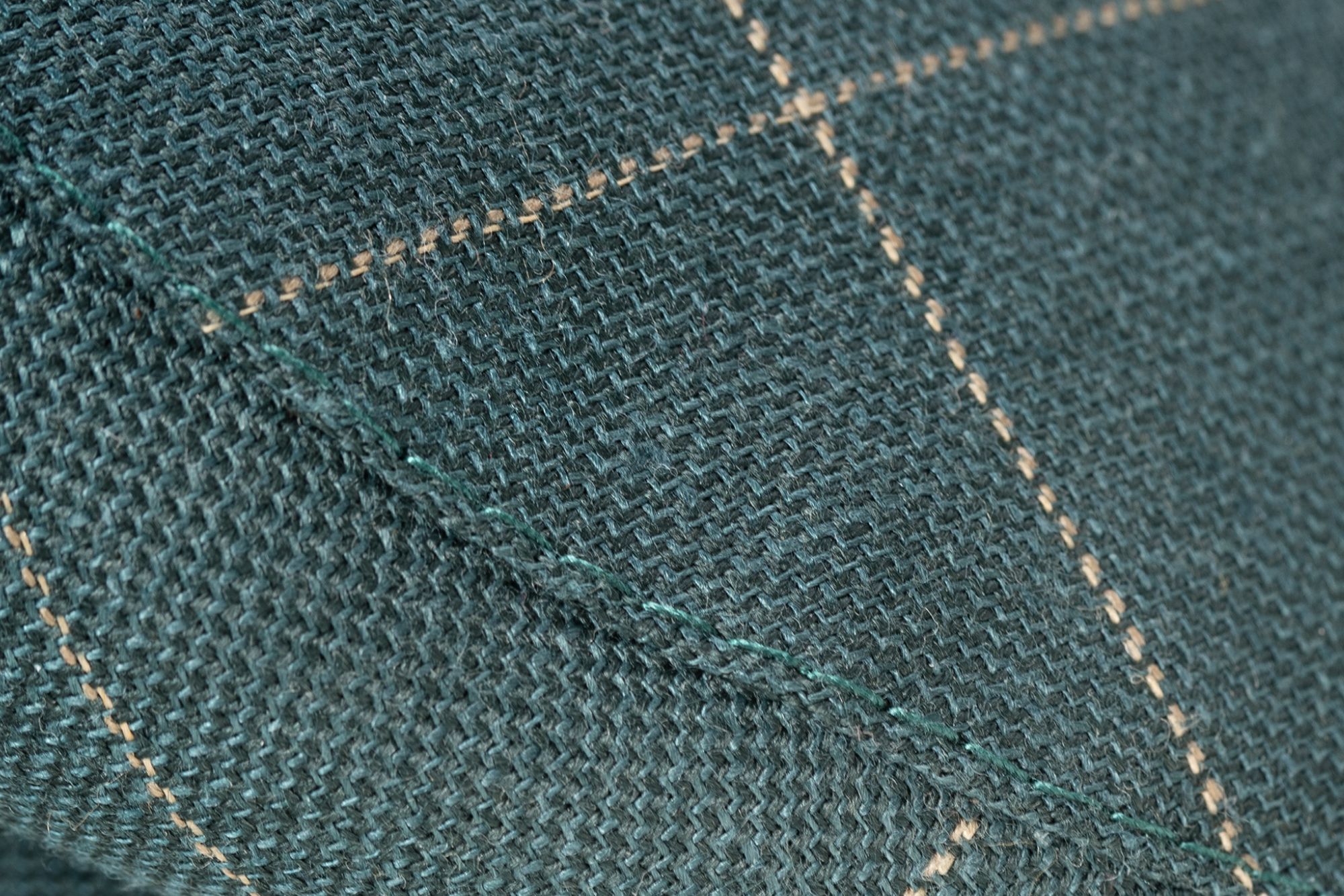
For this cap, we selected a blend of 51% wool and 49% linen. Together, these fibres create a fabric with exceptional character. Wool provides structure, resilience and lasting shape, while linen adds breathability, a naturally cool feel and a subtly matte texture that can be appreciated by touch.

Passion

A jockey is not someone who simply climbs into the saddle from time to time in search of victory. It is a craft built on discipline, precision and instinct, developed over countless early mornings on empty training tracks, long before the crowds arrive.

A horse senses confidence, calmness and tension just as keenly as its rider does. Horse and jockey must learn to trust and understand one another. What spectators witness in just a few minutes on the track is the result of many months of dedication.

That is what connects us most in this collaboration: the belief that true craftsmanship cannot be imitated.

The Pin

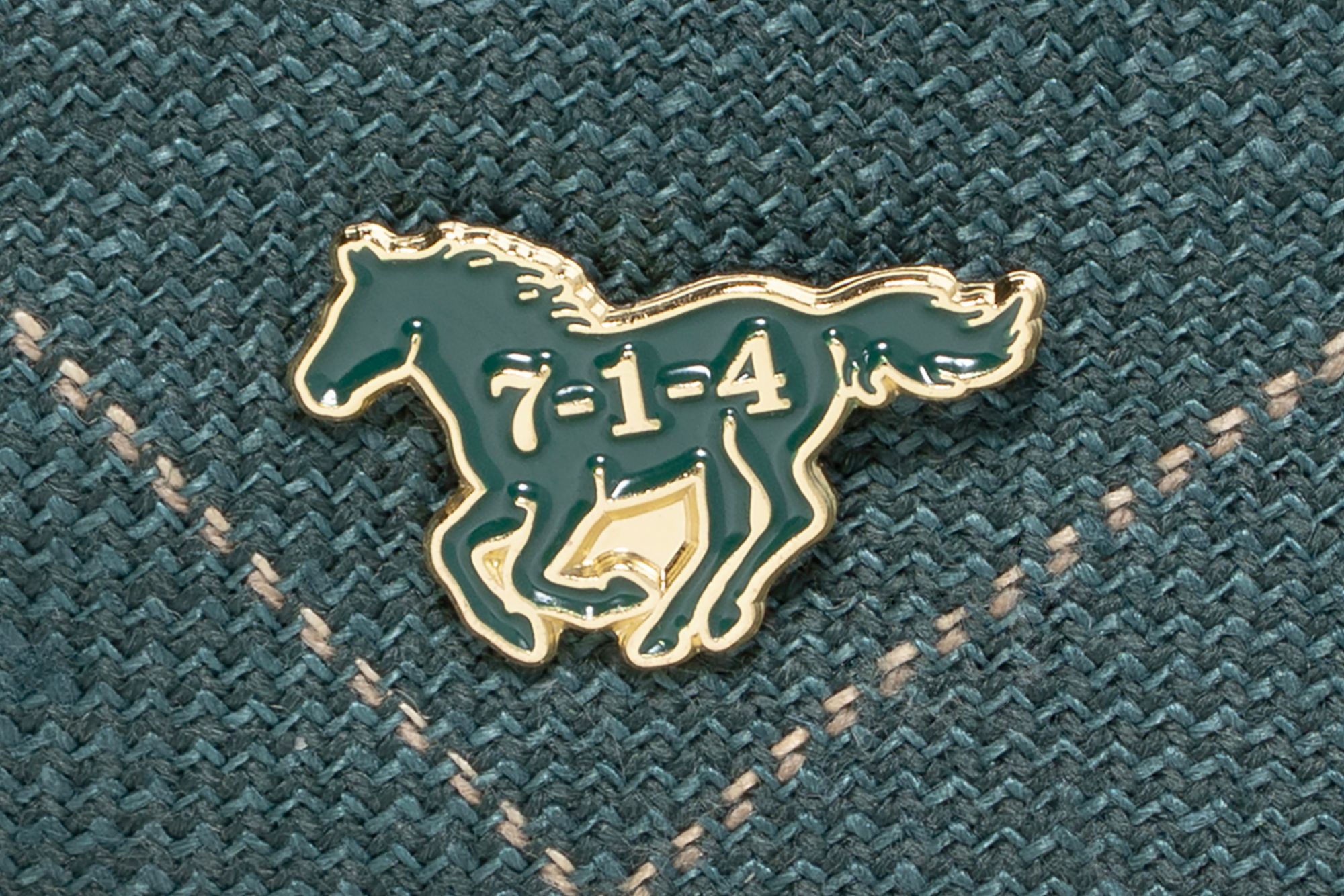
Every cap comes with a small pin bearing three numbers. They are our lucky numbers. Whenever we stand by the racecourse, they are always the first ones that come to mind, even when reason suggests otherwise. We will not explain why these numbers matter to us. Those who know the story will smile. For everyone else, they remain a small mystery, carried on the cap itself.

A Hundred Years of Passion and Craft

In 1926 Anna Sterkowska opened a workshop in Warsaw. She didn't know that four generations later her grandchildren would be sewing caps for people all over the world.

One thing she did know - that a good cap calls for excellent material and craftsmanship.

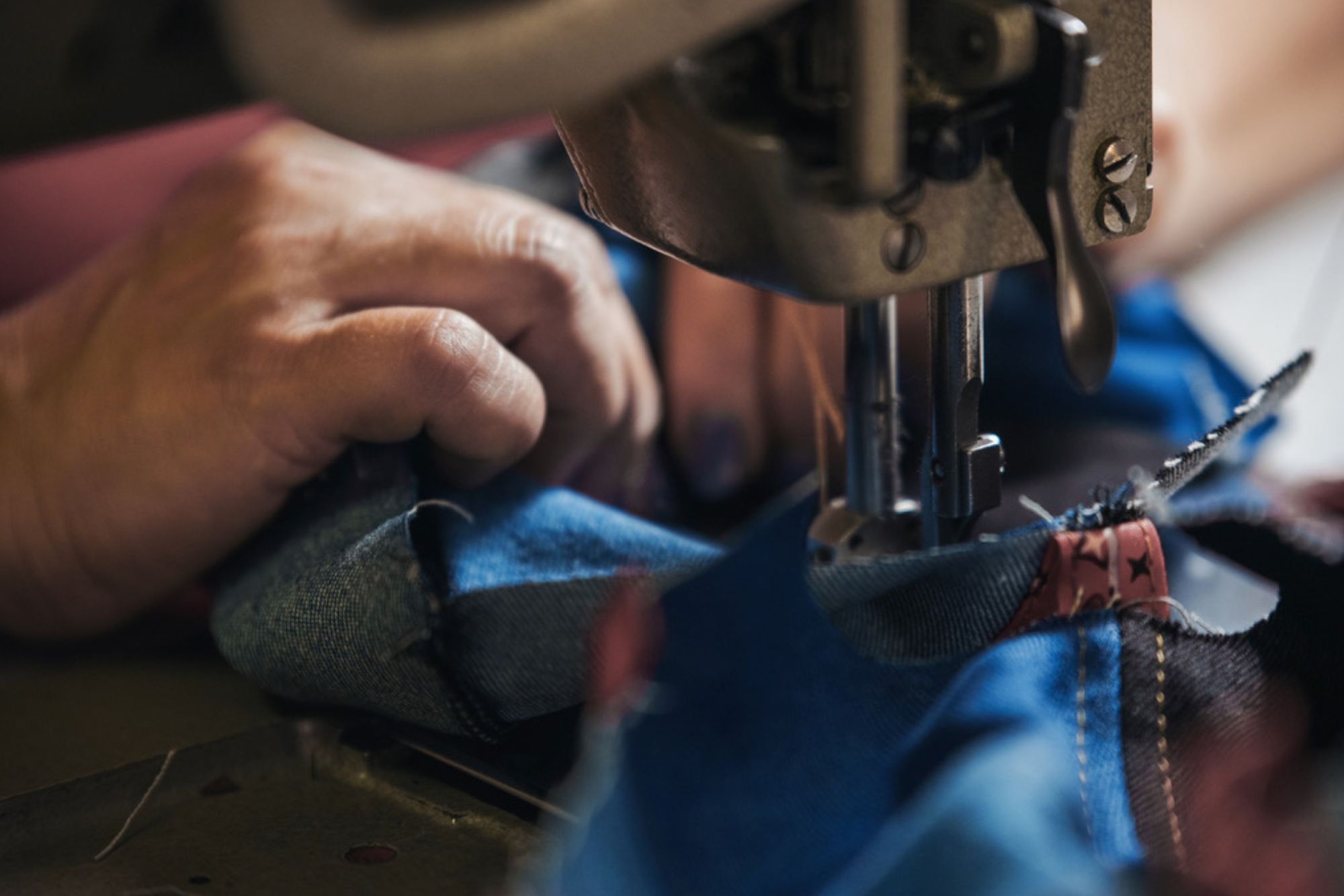
In a hundred years, nothing in that philosophy has changed. Every cap that comes out of our workshop is the result of knowledge passed down from generation to generation. We're proud to bring you, day after day, more caps and hats.

Służew Racecourse

It all begins with a photograph from 1926, hidden inside the lining of this cap. It captures a horse race at Warsaw's Pole Mokotowskie, where today you will find a public park. Back then, horses thundered across the track while the city's elegantly dressed residents arrived in horse-drawn carriages, wearing their finest hats to place their bets and be seen in the grandstands.

Horse racing had been held there since 1841 and, for nearly a century, it remained one of Warsaw's most important social traditions. By the late 1920s, however, the city was expanding rapidly. Mokotów was filling with new developments, while the growing Okęcie Airport claimed more and more land. There was simply no longer enough room for the racecourse in the heart of the city.

This is where the story of today's Służew Racecourse truly begins. In 1926, the Society for the Encouragement of Horse Breeding acquired around 150 hectares of land in Służew, laying the foundations for a new, modern home of Polish horse racing. The first race would not take place there for another thirteen years, but 1926, and the photograph hidden inside this cap, mark the moment when one chapter in Warsaw's racing history began to give way to the next.

A New Addition to Our Stable

This is the classic English flat cap in its snapbill version, a low-profile design with roots in the British countryside and the traditions of horse racing. Its streamlined silhouette sits close to the head, while the crown gently slopes toward the short, reinforced brim, creating the compact, distinctive profile that defines the English flat cap.

The snap fastening that connects the crown to the brim is far more than a decorative detail. Left undone, it gives the cap a softer, more relaxed appearance. Fastened, it pulls the front of the crown neatly toward the brim, creating a sharper and more structured silhouette. One small snap, two distinct personalities.

Abraham Moon & Sons

The fabric for this cap was woven by Abraham Moon & Sons, one of Britain's most respected woollen mills. Founded in 1837 in Guiseley, near Leeds, on the edge of the Yorkshire Dales, the company has spent more than 180 years perfecting the same craft.

Its greatest strength lies in its fully integrated production process. Every stage, from raw wool through dyeing, blending, carding, spinning, warping, weaving and finishing, takes place under one roof. Today, it remains one of the few mills in the United Kingdom that still works this way.

For this cap, we selected a blend of 51% wool and 49% linen. Together, these fibres create a fabric with exceptional character. Wool provides structure, resilience and lasting shape, while linen adds breathability, a naturally cool feel and a subtly matte texture that can be appreciated by touch.

Passion

A jockey is not someone who simply climbs into the saddle from time to time in search of victory. It is a craft built on discipline, precision and instinct, developed over countless early mornings on empty training tracks, long before the crowds arrive.

A horse senses confidence, calmness and tension just as keenly as its rider does. Horse and jockey must learn to trust and understand one another. What spectators witness in just a few minutes on the track is the result of many months of dedication.

That is what connects us most in this collaboration: the belief that true craftsmanship cannot be imitated.

The Pin

Every cap comes with a small pin bearing three numbers. They are our lucky numbers. Whenever we stand by the racecourse, they are always the first ones that come to mind, even when reason suggests otherwise. We will not explain why these numbers matter to us. Those who know the story will smile. For everyone else, they remain a small mystery, carried on the cap itself.

A Hundred Years of Passion and Craft

In 1926 Anna Sterkowska opened a workshop in Warsaw. She didn't know that four generations later her grandchildren would be sewing caps for people all over the world.

One thing she did know - that a good cap calls for excellent material and craftsmanship.

In a hundred years, nothing in that philosophy has changed. Every cap that comes out of our workshop is the result of knowledge passed down from generation to generation. We're proud to bring you, day after day, more caps and hats.

MST-GUS-WL41-58

Data sheet

Color
Green
Size
Large
Medium
Small
XLarge
Fabric
Linen
Wool
Type
Flat cap
Subtitle
Linen / Wool
Products Lines
Classic
Label
New Arrival

Specific References

EAN13
5904353905652
Loading...